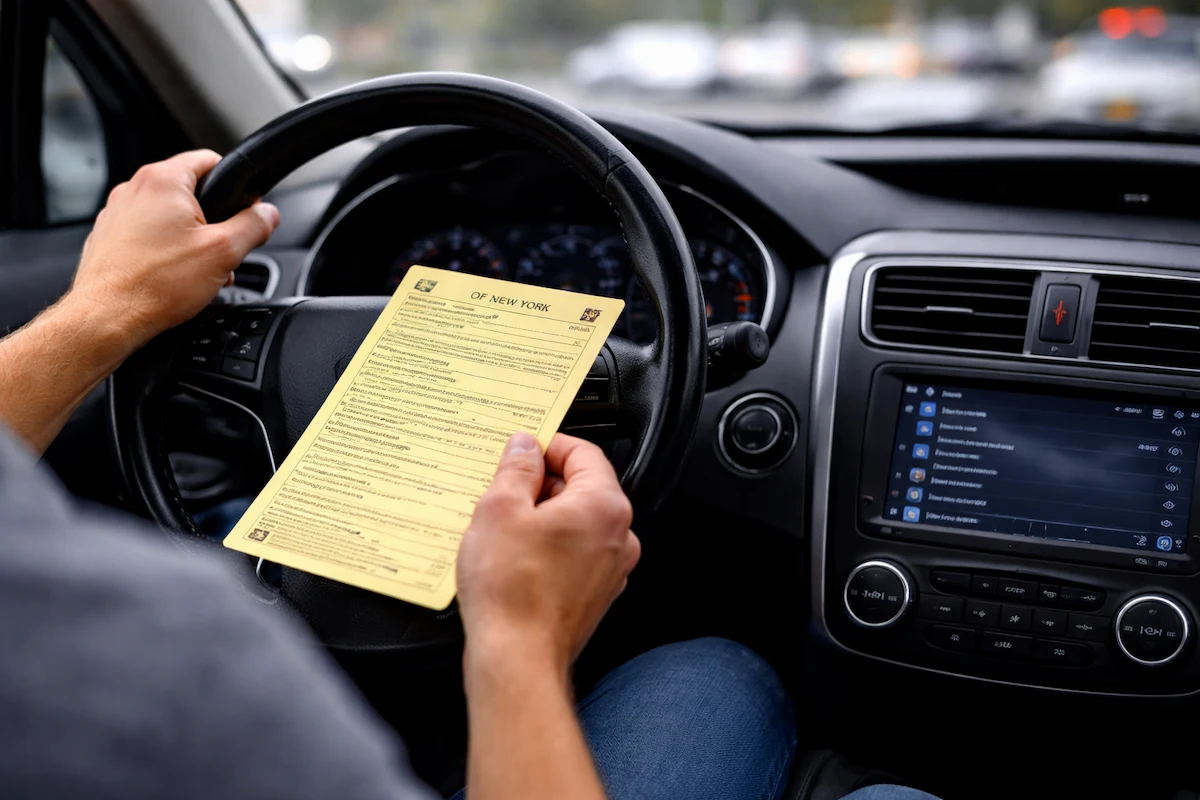
In New York City, traffic tickets can be issued by a police officer or by a traffic camera. Both can lead to fines and loss of Driver points.
Those differences matter. It also affects the best way to respond. Many drivers assume a ticket is a ticket and simply pay it within minutes of opening the notice. That decision can cost far more over time through insurance increases, added fees, and license risk.
Before you decide what to do, it helps to understand how camera tickets and officer-issued tickets actually work in NYC traffic court or administrative hearing systems. The right strategy depends on which type you received.
The Two Main Types of Traffic Tickets in NYC
Traffic enforcement in New York City falls into two categories:
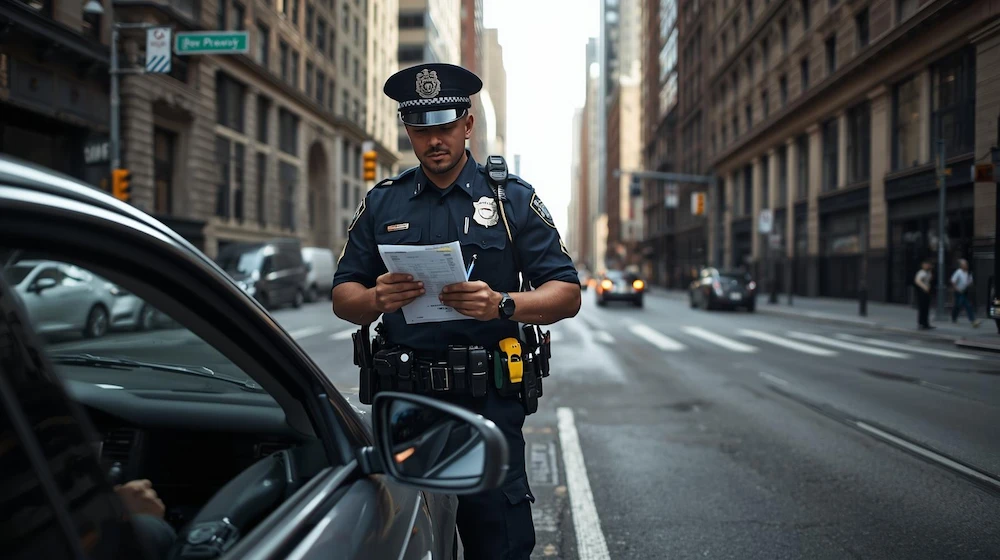
An officer-issued ticket is based on what the officer observed in real time. The driver is identified at the scene and receives the ticket directly. If the ticket is contested, the case is usually decided based on the officer’s testimony, notes, and the procedures used during the stop.
A camera-issued ticket is created when an automated enforcement camera records a violation and the city reviews and approves it for issuance. The notice is then mailed to the registered owner of the vehicle and typically includes photo or video evidence. The city handles these cases through an administrative process rather than a roadside stop.
Knowing which category your ticket falls into is important because the evidence, defenses, and hearing process differ significantly.
How Camera Tickets Work in NYC
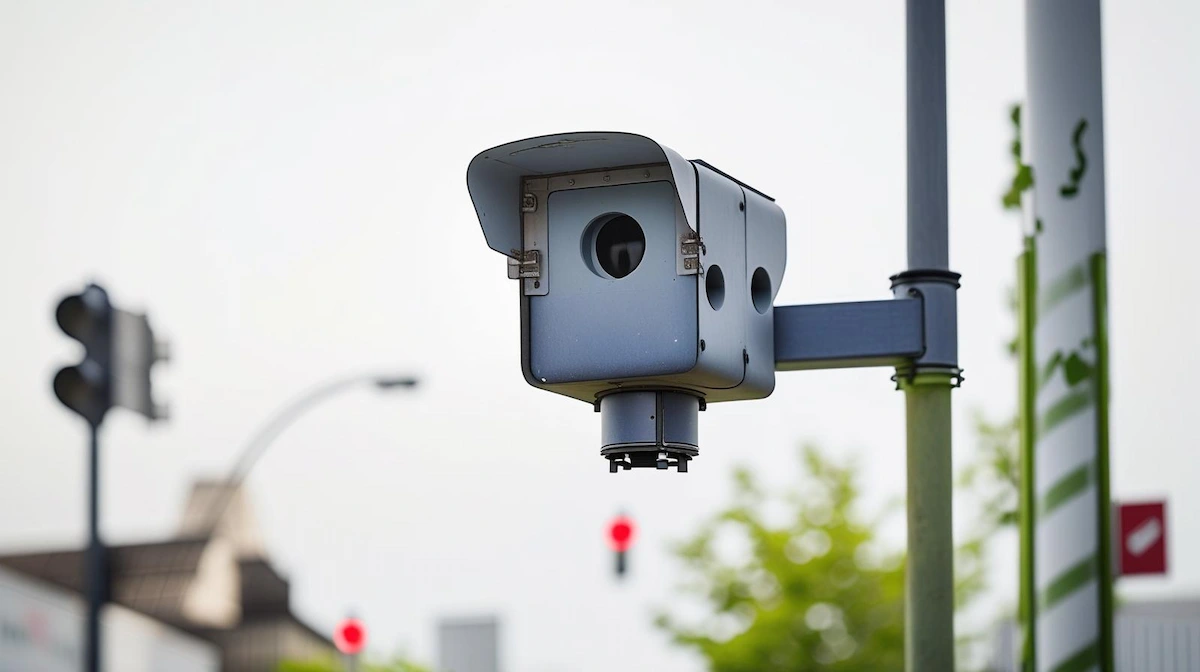
Camera enforcement systems operate throughout New York City and automatically record certain traffic violations. No officer needs to be present. The system captures the violation, records the license plate, and the city reviews the footage before mailing a ticket to the registered vehicle owner.
Common NYC Camera Violations
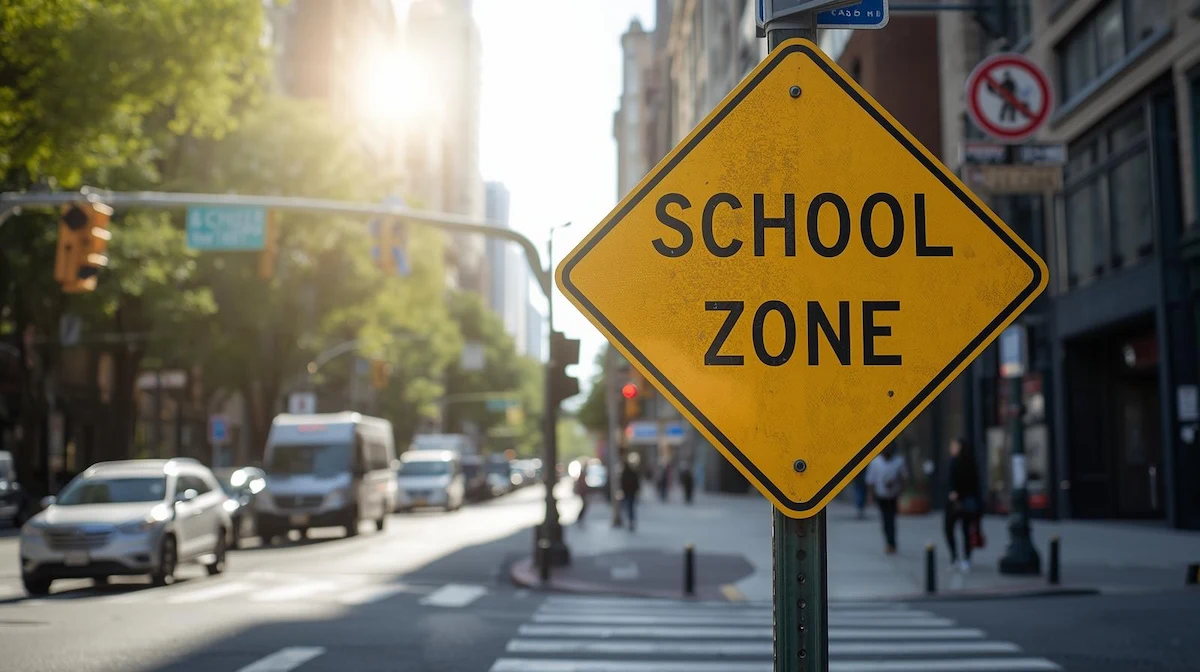
The most common camera-enforced violations include red light violations at intersections, school zone speeding during posted hours, bus lane violations, and school bus stop-arm violations. The city also operates certain toll and lane enforcement systems.
How Camera Tickets Are Different
Camera tickets are sent by mail to the registered vehicle owner weeks after the violation. The ticket package includes photo or video clips of the violation.
Camera tickets are civil violations, not criminal offenses. They are handled through an administrative hearing process rather than criminal traffic court. The burden of proof, rules of evidence, and available defenses differ from traditional traffic court.
Do Camera Tickets Add Points?
Most NYC camera speeding and red light tickets do not add points to your DMV driving record. They still carry fines and can lead to late fees, collection actions, or registration holds if ignored.
Some camera violations may be treated differently. Verify your specific ticket type before assuming it follows standard camera ticket rules.
How Officer-Issued Tickets Work
Officer-issued tickets are based on what the officer observed during a traffic stop. The driver receives the ticket at the scene and has their identity confirmed.
Common Officer-Issued Violations
These tickets typically include speeding, failure to yield, improper turns, signal violations, cell phone use, lane violations, equipment violations, and registration or insurance issues.
The Officer Is the Evidence
If you contest an officer-issued ticket, the case relies heavily on the officer’s account. Their testimony, training, procedures, equipment calibration, and line of sight all become relevant.
Unlike camera cases where photo evidence is central, officer-issued ticket hearings often turn on cross-examination and procedural details. The officer must appear and testify. If they don’t, the case may be dismissed.
The Critical Difference: Who Is Legally Responsible?
Camera tickets and officer-issued tickets assign responsibility in fundamentally different ways.
Camera Tickets → Owner Responsibility
Camera tickets are issued to the registered vehicle owner, not the driver. The city holds the owner responsible unless they can prove otherwise.
Available defenses may include:
- The vehicle was stolen (police report required)
- The vehicle was sold before the violation (proof of sale required)
- Someone else had documented permission to use the vehicle
- The owner was not in the city or state at the time
The burden is on the owner to establish these defenses with documentation.
Officer Tickets → Driver Responsibility
When an officer issues a ticket, the officer identifies the driver at the scene. Responsibility is attached directly to that person, not the vehicle owner.
Why This Matters
This difference changes defense strategy significantly. Camera ticket defenses often focus on vehicle ownership and control. Officer-issued ticket defenses focus on the driver’s actions and the officer’s observations.
Deadlines Matter: A Lot
Missing your response deadline removes your right to fight the ticket.
Typical timelines:
- Officer-issued tickets: usually 15 days to respond
- Camera tickets: typically 30 days from the mailing date
Ignoring tickets leads to:
- Added penalties
- Default judgments
- Registration holds
- License consequences for certain violations
Check your ticket for the exact deadline. Camera tickets and officer-issued tickets are both legally enforceable. Ignoring either one will cost you.
How Camera Tickets Are Contested
Camera systems don’t rely on memory or interpretation. They record what happened. That removes disputes about officer credibility or perception, but it doesn’t make camera tickets unbeatable. Camera tickets are still challengeable.
Evidence Review
The photos and video clips attached to your ticket are the city’s entire case. If the images are unclear or the evidence has technical flaws, you may have grounds to contest the ticket. Common challenges include:
- Is the plate clearly visible?
- Is the violation actually shown in the images?
- Is the timing accurate?
- Blurry or obstructed license plates
- Poor lighting or glare
- Bad camera angles
- Partial images
- Incorrect vehicle identification
Cameras must be maintained and tested. Missing maintenance records can weaken the city’s case. Equipment maintenance gaps create opportunities for challenge.
Technical Errors
- Wrong vehicle details
- Incorrect location data
- Defects in the notice or mailing process
- Timing issues or timestamp inconsistencies
Request the full evidence package before deciding whether to pay or fight.
How Officer-Issued Tickets Are Contested
Officer-issued tickets are often successfully challenged based on procedural issues, equipment problems, and observation limitations.
Officer Observation Challenges
An officer must be positioned to reliably observe the violation. Common challenges include:
- Blocked or limited line of sight
- Position and visibility issues
- Extreme distance
- Traffic conditions that affect observation
- Distance and angle limitations
- Weather interference
Equipment Records
Officer-issued speeding tickets rely on radar, laser, or pacing. These can be challenged through:
- Radar or laser calibration records
- LIDAR calibration and maintenance logs
- Testing logs and schedules
- Improper pacing methods
- Officer certification and training records
Procedure Errors
- Improper stop methods
- Documentation gaps
- Incomplete notes
- Signage visibility issues
- Incorrect vehicle identification
Officer Non-Appearance
The officer must appear and testify. If they don’t, the case may be dismissed.
Negotiation and Reduction
Officer-issued tickets also offer negotiation options that camera tickets do not. Depending on the court and violation type, some violations can be reduced to non-moving offenses to avoid DMV points. This option is rarely available with automated camera tickets.
When It Makes Sense to Talk to a Traffic Lawyer
Many drivers handle tickets on their own. Legal help becomes more valuable when:
- The violation carries 3+ points
- You already have points on your record
- You drive for work
- You’re near the 11-point suspension threshold
- Your insurance risk is high
- There are factual or procedural defenses to explore
- You want a reduction strategy evaluated
For busy NYC drivers, legal representation can also mean avoiding multiple court appearances and time away from work.
FAQ: Camera Tickets vs Officer-Issued Tickets
Q: Do camera tickets affect my insurance rates?
A: Typically, no. Most NYC camera tickets are civil violations that don’t add points to your driving record. Insurance companies base rate increases primarily on moving violations with points. However, ignoring camera tickets can lead to registration holds or collection issues that create other complications.
Q: Can I ignore a camera ticket if I wasn’t driving?
A: No. Camera tickets are issued to the vehicle owner, not the driver. You’re responsible unless you can prove the vehicle was stolen, sold, or meet other specific defenses. Simply saying someone else was driving isn’t enough without documentation.
Q: What happens if I miss the deadline to respond?
A: You lose your right to contest the ticket. The city can enter a default judgment, add late fees and penalties, place holds on your registration, and send the debt to collections. Always respond by the deadline even if you plan to pay.
Q: Do out-of-state drivers face the same consequences?
A: Yes. Camera tickets and officer-issued tickets apply to all drivers in NYC, regardless of where your license is issued. Officer-issued violations can affect your home state driving record and insurance. Camera tickets may create collection or registration issues if ignored.
Q: How long do these tickets stay on my record?
A: Officer-issued moving violations typically remain on your New York driving record for 18 months to three years, depending on the violation type. The insurance impact can last longer. Camera tickets that carry no points generally don’t appear on your driving record but remain in city records until paid.
Q: Can they be dismissed?
A: Yes, but for different reasons. If the evidence is flawed or the vehicle was misidentified. Officer-issued tickets can be dismissed if the officer doesn’t appear, procedures were violated, or the evidence doesn’t support the charge.
Protect Your Rights and Driving Record
The difference between camera tickets and officer-issued tickets comes down to knowing how each type is proven, defended, and resolved. A camera ticket relies on technical evidence and an administrative process. An officer-issued ticket depends on testimony and procedure.
The key is knowing your ticket type before you decide to simply pay it. That decision affects your points, insurance rates, and legal options. Many drivers assume paying is easier, but the long-term cost can be far higher than the fine itself.
Don’t let a traffic ticket put your driving record and insurance rates at risk. The traffic attorneys at My Tickets NYC have defended drivers in Queens and throughout New York City for over 20 years. We handle both camera tickets and officer-issued violations with a focus on protecting your record and minimizing long-term consequences.
Contact our team for a free, no-obligation case review. We’ll evaluate your situation, identify potential defenses or reduction opportunities, and guide you through the process to protect your driving privileges.