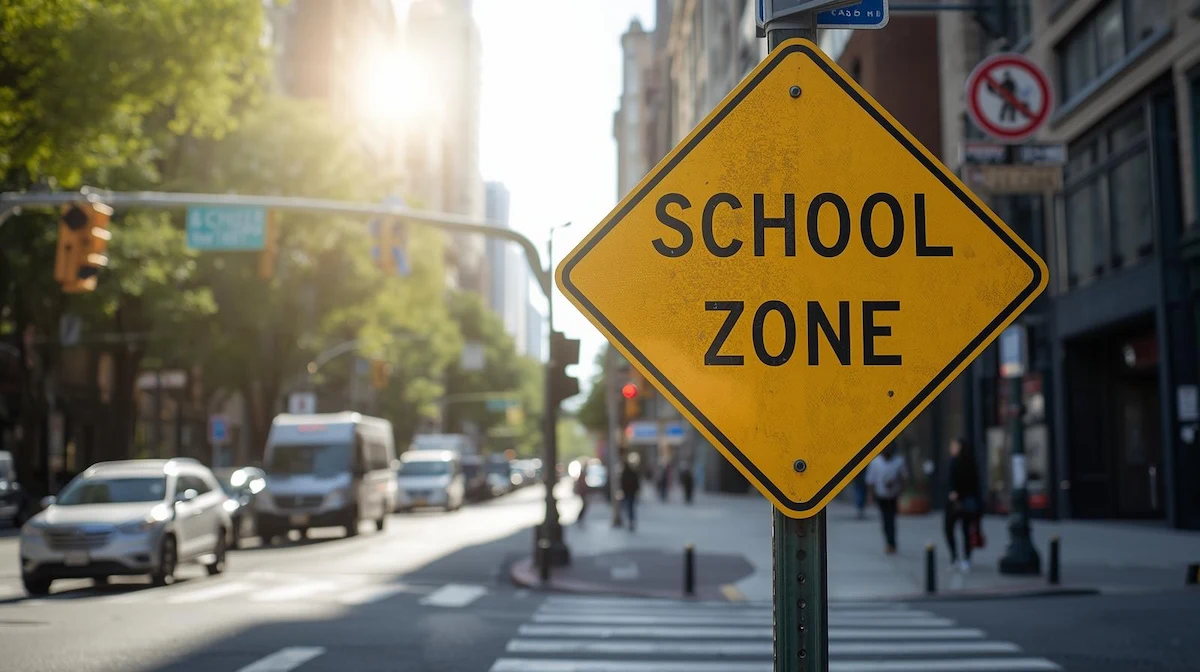
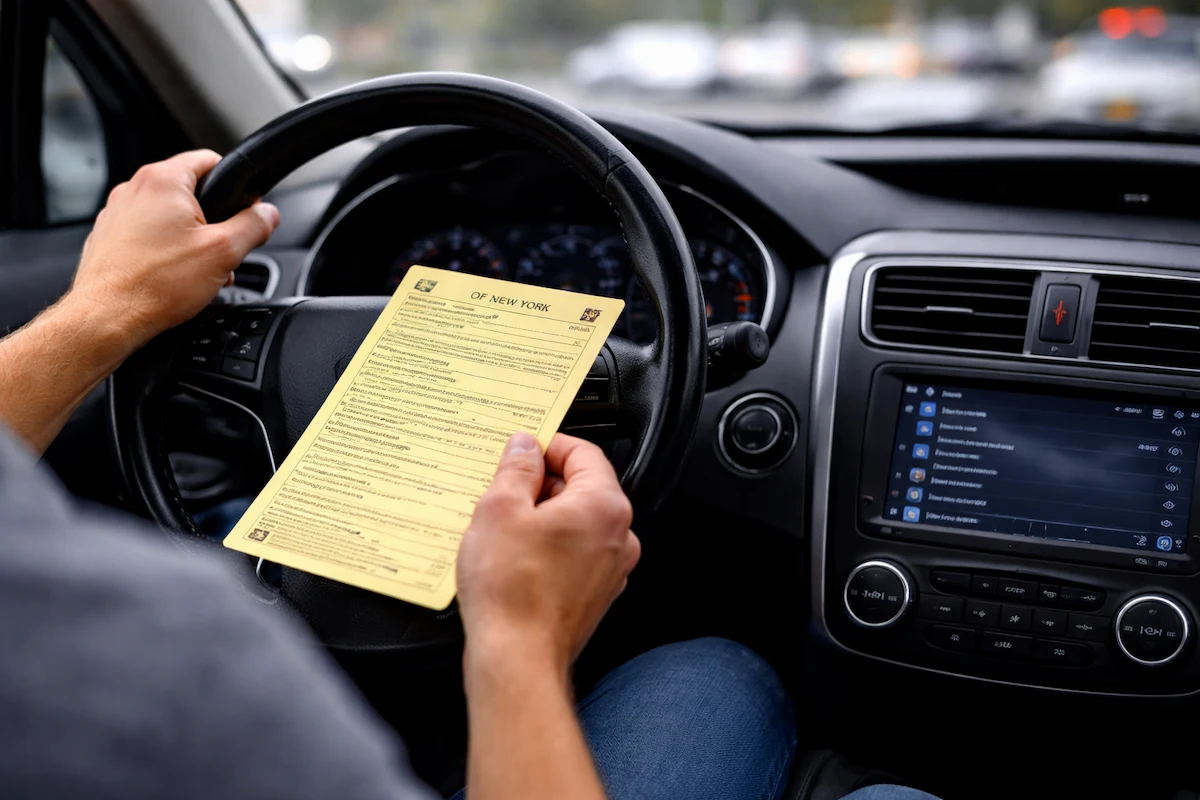
A traffic ticket in New York City rarely ends with just a fine. Many moving violations add points to your driver’s license, and those points can follow you long after the ticket is resolved, affecting insurance costs and potentially your ability to keep driving.
Beginning February 16, 2026, the New York State Department of Motor Vehicles updated the state’s driver violation point system, increasing penalties for several serious violations and expanding how repeat offenders are evaluated.
For drivers navigating traffic across Manhattan, Queens, Brooklyn, the Bronx, and Staten Island, these changes mean certain violations now carry significantly greater consequences.
Understanding how the updated system works can help drivers make better decisions before paying a ticket.
How the New York DMV Point System Works
New York tracks moving violations using a driver violation point system administered by the DMV.
Points are not added when a ticket is issued. Instead, they are applied when a driver:
- pleads guilty by paying the ticket
- is found guilty at a hearing
Under the updated rules, the DMV may review a driver’s license for suspension if they accumulate 10 points within a 24-month period.
Previously, suspension review was triggered at 11 points within 18 months, meaning the new system makes it easier for repeat violations to place a driver’s license at risk.
Within New York City, most moving violations are handled through the DMV Traffic Violations Bureau (TVB) rather than traditional courts. Unlike courts elsewhere in New York State, the TVB does not allow plea bargaining.
If you have never been through the process, our guide on what to expect in NYC traffic court explains how TVB hearings work.
What Changed in the DMV Point System in 2026
The February 16, 2026 update introduced several important changes to the point system.
Key Changes at a Glance
| Rule | Previous System | Updated System |
|---|---|---|
| Suspension review threshold | 11 points | 10 points |
| Look-back period | 18 months | 24 months |
| School bus violation | 5 points | 8 points |
| Construction zone speeding | Speed-based | 8 points flat |
These changes mean drivers can now reach the suspension threshold with fewer violations over a longer timeframe.
Violations That Now Carry More Points
Several serious violations now carry higher point penalties.
| Violation | Previous Points | Current Points |
|---|---|---|
| Passing a stopped school bus | 5 | 8 |
| Leaving the scene of a personal injury crash | 3 | 5 |
| Failure to exercise due care | 2 | 5 |
| Speeding in a construction zone | Varies | 8 |
Speeding in a construction zone now carries 8 points regardless of how far above the limit the driver was traveling. For commuters traveling through work zones across NYC, this significantly raises the stakes for even small speeding violations.
Violations That Now Add Points
The updated system also added points to several violations that previously did not affect a driver’s point total.
Examples include:
| Violation | Points |
|---|---|
| Alcohol or drug-related incident | 11 |
| Aggravated unlicensed operation | 11 |
| Over-height vehicle bridge strike | 8 |
| Facilitating aggravated unlicensed operation | 5 |
| Speed contests or races | 5 |
Because suspension review now begins at 10 points, some of these violations can place a driver’s license at risk immediately.
Violations That Still Carry the Most Points
Many common point assignments remain unchanged.
Speeding
| Speed Over Limit | Points |
|---|---|
| 1–10 mph | 3 |
| 11–20 mph | 4 |
| 21–30 mph | 6 |
| 31–40 mph | 8 |
| More than 40 mph | 11 |
A speeding violation of more than 40 mph over the limit carries 11 points. That is enough to trigger suspension review on its own.
Before paying a speeding ticket, you may want to read our guide on how to respond to a speeding ticket in New York City.
Handheld Cell Phone Use
Using a handheld device while driving carries: 5 points
This remains one of the most frequently issued violations in New York City.
Reckless Driving
Reckless driving carries: 5 points and potential criminal penalties
How Quickly Points Can Add Up
Under the updated system, drivers can reach the suspension review threshold faster than many expect.
Example:
- Speeding 15 mph over the limit → 4 points
- Cell phone use while driving → 5 points
- Failure to yield → 3 points
Total: 12 points
Just three violations within a two-year period could trigger DMV review of a driver’s license.
For professional drivers, including rideshare drivers, delivery drivers, and CDL holders, this risk is even greater. Accumulating 10 points within two years can mean losing the ability to work.
What Happens After You Reach 10 Points?
Accumulating 10 points does not always mean an immediate suspension. However, it typically triggers DMV review of your driving record.
Depending on the circumstances, the DMV may:
- issue a warning letter
- require driver improvement courses
- suspend your driver’s license
- impose additional penalties for repeat violations
Because each situation is evaluated individually, drivers approaching the point threshold often review their legal options before paying additional tickets.
The Costs That Come After the Points
Traffic ticket points can also lead to additional financial penalties.
Driver Responsibility Assessment
Drivers who accumulate six or more points within 18 months must pay a Driver Responsibility Assessment (DRA).
The fee structure is:
- 6 points → $100 per year for three years ($300 total)
- Each additional point → $75 per year more for three years
Example:
A driver with 8 points would pay $450 over three years.
Note: While the suspension review period now considers violations over 24 months, the Driver Responsibility Assessment is still calculated using the traditional 18-month timeframe.
Insurance Rate Increases
Insurance companies often review driving records when setting premiums. Even one moving violation can increase insurance costs for three to five years. The long-term financial impact of a ticket can easily exceed the original fine.
For more information, see our guide on the true cost of a traffic ticket in New York.
Why Drivers Contest Tickets
Paying a ticket may seem easier, but it is also a guilty plea, meaning the points are applied automatically.
Drivers often contest tickets when:
- the violation carries several points
- they already have points on their license
- their job depends on maintaining a clean driving record
Contesting a ticket requires requesting a Traffic Violations Bureau hearing, where an administrative law judge reviews the officer’s testimony and evidence.
FAQ: NYC Traffic Ticket Points
Q: How many points suspend your license in New York?
A: Under the updated rules, the DMV may review your license for suspension if you accumulate 10 points within a 24-month period.
Q: Do red-light or speed-camera tickets add points?
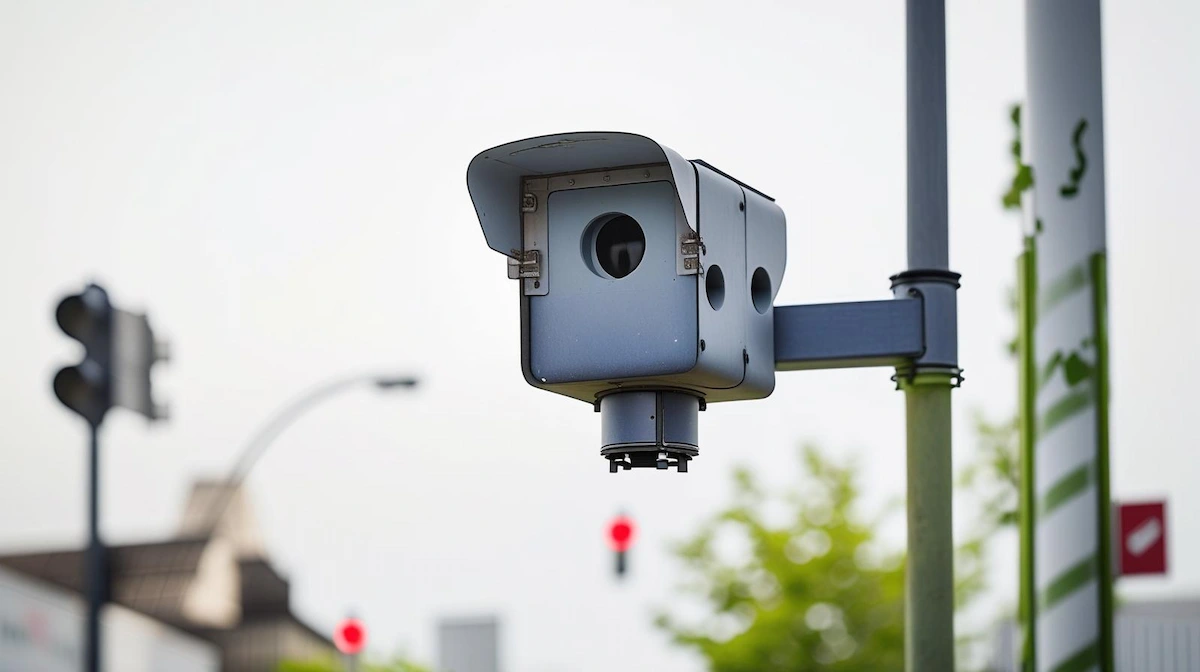
A: No. Camera-issued violations are sent to the vehicle owner rather than the driver, so they do not add points to a driver’s license.
Q: How long do points stay on your record?
A: Points are considered for 24 months from the violation date when determining whether a driver’s license may be suspended.
Q: Can a defensive driving course reduce points?
A: A DMV-approved Point and Insurance Reduction Program may reduce the points counted toward suspension by up to four. The violation itself remains on the driving record.
Q: Is it worth fighting a ticket that carries points?
A: If a ticket carries several points or you already have points on your license, it may be worth reviewing your options before paying. Paying the ticket is treated as a guilty plea, meaning the points are added automatically.
Talk to a Traffic Attorney Before You Pay
Points add up faster than many drivers expect. Under the updated rules, just a few violations within a two-year period can place a driver’s license at risk of suspension.
Before paying a ticket that carries points, it may be worth having the case reviewed. Many violations have defensible weaknesses in how the stop was conducted, how the citation was written, or how the evidence holds up at a TVB hearing.
The traffic attorneys at My Tickets NYC represent drivers at Traffic Violations Bureau hearings across New York City every day. If you have received a ticket that carries points, contact us for a free case review and we will explain your options.