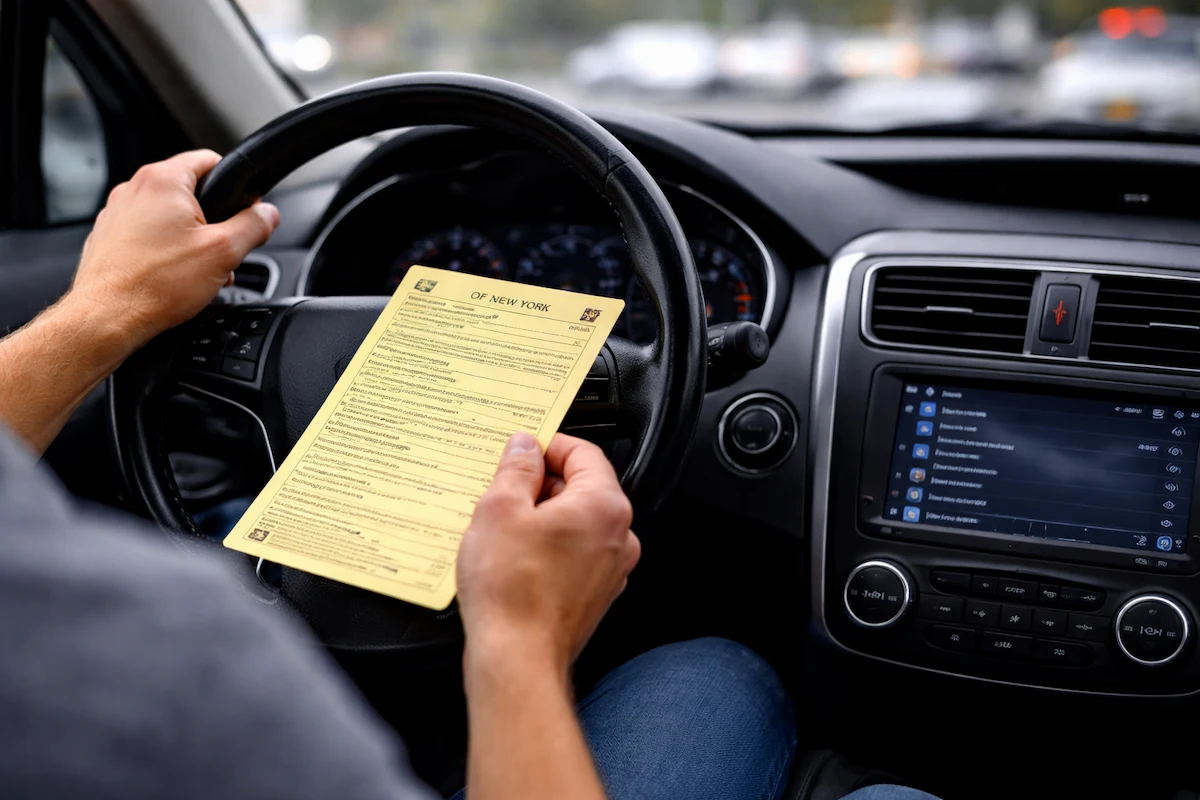

Not all traffic tickets in New York City are treated the same. One key distinction all drivers should understand is whether a traffic violation is considered a moving or non-moving one. This classification affects things such as points on your license, insurance rates, and long-term driving record consequences.
Many drivers in NYC assume that parking violations or other seemingly minor infractions won’t matter much. In reality, that depends. Non-moving violations are typically far less damaging. Moving violations, on the other hand, can follow you for years. Knowing the difference will help you make better decisions about whether to fight a ticket, pay it, or seek legal help.
What Is a Moving Violation in New York?
A moving violation happens when you break a traffic law while your vehicle is in motion. Moving violations are considered more serious because they’re directly tied to roadway safety and accident risk.
In New York, moving violations typically result in:
- Points added to your driving record
- Potential insurance premium increases
- Possible license suspension
Common NYC moving violations include:
- Speeding tickets
- Cell phone and distracted driving violations
- Red light violations (issued by police, not cameras)
- Failure to yield
- Following too closely (tailgating)
- Unsafe lane changes
- Disobeying traffic control devices
NYC traffic enforcement can be aggressive, so moving violations are among the most common tickets issued in the city.
What Is a Non-Moving Violation?
A non-moving violation is much different. Instead of involving unsafe driving and accident risk, these violations are typically a regulatory or administrative issue. The key thing to understand: non-moving violations don’t result in points on your license.
In New York, non-moving violations generally result in:
- Fines
- Possible surcharges
- No DMV points
Common non-moving violations in NYC include:
- Parking tickets
- Expired inspection or registration
- Equipment violations
- Red light camera tickets
- Speed camera tickets
Even though non-moving violations don’t add points to your license, ignoring them will still create problems. Late fees, registration holds, and other penalties can pile up if you don’t address them.
Why the Difference Matters in NYC
The difference between moving and non-moving violations matters significantly, and here’s why.
Insurance impact
Insurance companies weigh moving violations heavily when calculating premiums. A single speeding ticket or cell phone violation in NYC can raise your rates for years, even if the fine itself seems small.
License points and suspension risk
New York uses a point system, and accumulating too many points within an 18-month period can lead to license suspension and mandatory Driver Responsibility Assessments. Non-moving violations don’t add points, which is why reducing a moving violation to a non-moving offense is often a key legal strategy.
Can a Moving Violation Be Reduced to a Non-Moving Violation?
In some cases, yes.
Traffic ticket lawyers often negotiate to have moving violations reduced to non-moving violations as part of a resolution. When successful, this can greatly reduce your long-term consequences.
A reduction to a non-moving violation can help:
- Avoid points on your license
- Protect insurance rates
- Prevent suspension risks
However, reductions aren’t automatic. Whether it’s possible depends on a number of factors such as:
- The specific violation
- Your driving history
- The court and prosecutor involved
- The evidence available
Camera Tickets: Moving or Non-Moving?
This is a common point of confusion, so it’s worth clarifying.
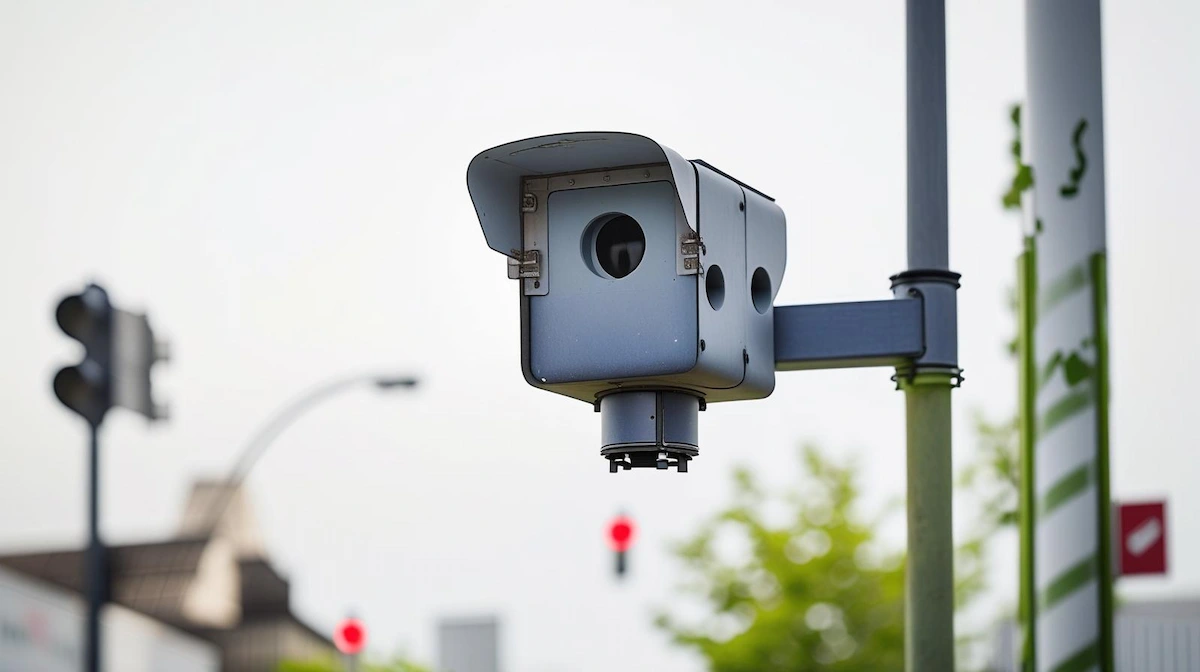
In New York City, red light camera and speed camera tickets are both considered non-moving violations. They’re issued to the owner of the vehicle, not the driver, and they don’t carry points. However, they still require payment of a fine and must be addressed to avoid further penalties and fees.
The distinction matters. A police officer pulling you over for running a red light is issuing you a moving violation. A camera that caught you running the same red light is issuing you a non-moving violation. The same action has different consequences.

Should You Fight a Moving or Non-Moving Ticket?
When fighting a moving violation makes sense
You should consider fighting a moving violation if the ticket carries points on your license, you have previous violations on your record, you drive for work or hold a Commercial Driver’s License (CDL), or the violation could impact your insurance premiums.
When non-moving violations still matter
While non-moving violations don’t carry points, that doesn’t mean you should ignore them. Accumulated fines can add up quickly, unpaid tickets can lead to registration issues, and for out-of-state drivers, complications can multiply. Even without points involved, resolving tickets properly prevents future problems.
FAQ: Moving vs Non-Moving Traffic Violations
Q: Do non-moving violations ever affect insurance?
A: Typically no. However, if you ignore non-moving violations and they accumulate, you could face registration issues or license holds, which could indirectly complicate your ability to drive legally.
Q: Is a red light camera ticket the same as running a red light?
A: No. A police officer issuing a ticket for running a red light is a moving violation with points. A camera ticket for the same action is non-moving with no points. Same violation, very different consequences.
Q: Does pleading guilty to a moving violation automatically add points?
A: Yes. Paying a moving violation ticket is considered a guilty plea and results in points (if applicable) being added to your record.
Q: Can out-of-state drivers receive NYC moving violations?
A: Yes. Moving violations apply to all drivers in New York, regardless of where your license is issued. These violations can affect your home-state driving record and insurance.
Q: What’s the difference between a moving violation fine and a non-moving violation fine?
A: Moving violations typically carry higher fines than non-moving violations. But the bigger difference isn’t the fine itself. It’s the points and insurance impact that come with moving violations. That’s why fighting a moving violation often makes financial sense even if the lawyer’s fee seems high initially.
Q: How long does a moving violation stay on your record in New York?
A: Moving violations typically remain on your driving record for three to five years, depending on the severity of the violation. However, the insurance impact can last even longer, sometimes up to seven years or more. This is another reason why fighting a moving violation often makes sense.
Protect Your Driving Record and Insurance Rates
Understanding the difference between moving and non-moving violations comes down to the severity of the consequences for each. A single moving violation in NYC can follow you for years, affecting your insurance rates and driving privileges.
The good news is many moving violations can be reduced or challenged with the right legal strategy. A qualified NYC traffic lawyer understands how to navigate the courts and pursue outcomes that minimize the long-term damage to your driving record.
Don’t Navigate This Alone
Don’t let a moving violation derail your driving record and insurance rates. Consulting with a qualified NYC traffic attorney is the best way to protect yourself and explore your options.
Contact our team for a free, no-obligation case review. We’ll evaluate your situation, identify potential errors or opportunities for reduction, and guide you through the traffic court process to protect your record.