If you drive in New York City, chances are you have faced a ticket for something that seemed minor, or maybe you didn’t even know it was a violation. NYC traffic laws are strict, and some violations are frequently misunderstood by even the most careful drivers. Crowded streets, complex intersections, and aggressive traffic patterns mean that even small mistakes can lead to fines, points on your license, or higher insurance rates.
While everyone knows about speeding and red light tickets, there are a number of other violations that drivers often overlook or misunderstand. Below are eight of the most misunderstood NYC traffic tickets, including traffic codes, fines, points, practical examples, tips, and guidance for contesting them.
1. Blocking the Box (Obstructing an Intersection)
What Drivers Misunderstand
Many drivers think a green light automatically allows them to enter an intersection, even if traffic ahead prevents them from clearing it.
What the Law Says
NY VTL § 1175 prohibits entering an intersection unless you can fully clear it. Vehicles turning are allowed if there is adequate space on the opposite side. This law prevents gridlock and ensures cross traffic can flow.
Penalties
In New York City, blocking the box is most often issued as a civil/parking-type violation with a $115 fine. In some cases, it may still be charged as a moving violation, which can carry a higher fine and 2 points on your license depending on how the ticket is coded.
How to Avoid Blocking the Box
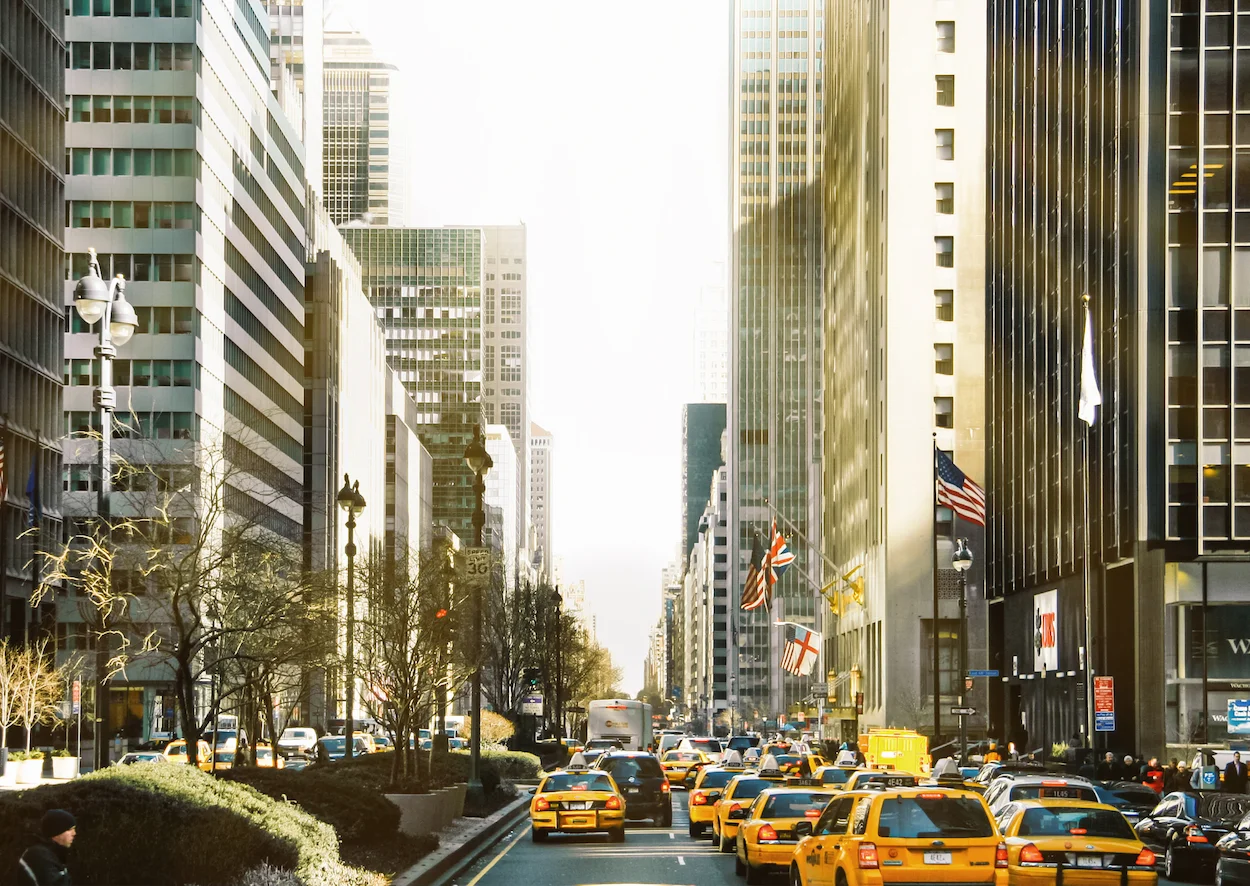
Blocking the box is especially common in busy areas like Times Square, Midtown, Downtown, and other high-traffic intersections throughout the city. The safest approach is to wait until the intersection is completely clear before entering, even when your light is green. Using a dashcam or taking photos that show your vehicle’s position and the available space can provide valuable evidence if you decide to contest a ticket.
2. Failure to Yield to Pedestrians or Vehicles (Right of Way Violations)
What Drivers Misunderstand
Drivers sometimes assume a green light or empty street gives them automatic right-of-way, but pedestrians and other vehicles legally present must always be yielded to.
What the Law Says
NY VTL § 1142 requires drivers to yield to pedestrians in crosswalks and to other vehicles with the right-of-way. This law is a common source of collisions and traffic tickets.
Penalties
Tickets for failure to yield typically carry a fine of around $150 and 3 points on your driving record, which can affect insurance rates and license standing.
How to Avoid Failing to Yield
Pay attention to pedestrians and other vehicles at intersections, even if the light is green or streets appear empty. Always check crosswalks carefully before proceeding and be mindful in school zones and busy pedestrian areas. Dashcam footage showing you yielding properly can help if you contest a ticket.
3. Camera Violations (Speeding and Red Light Cameras)
What Drivers Misunderstand
Many drivers believe cameras require a police officer to be present or that small speeding violations will not be ticketed. Camera tickets in NYC are all-or-nothing and cannot be negotiated.
What the Law Says
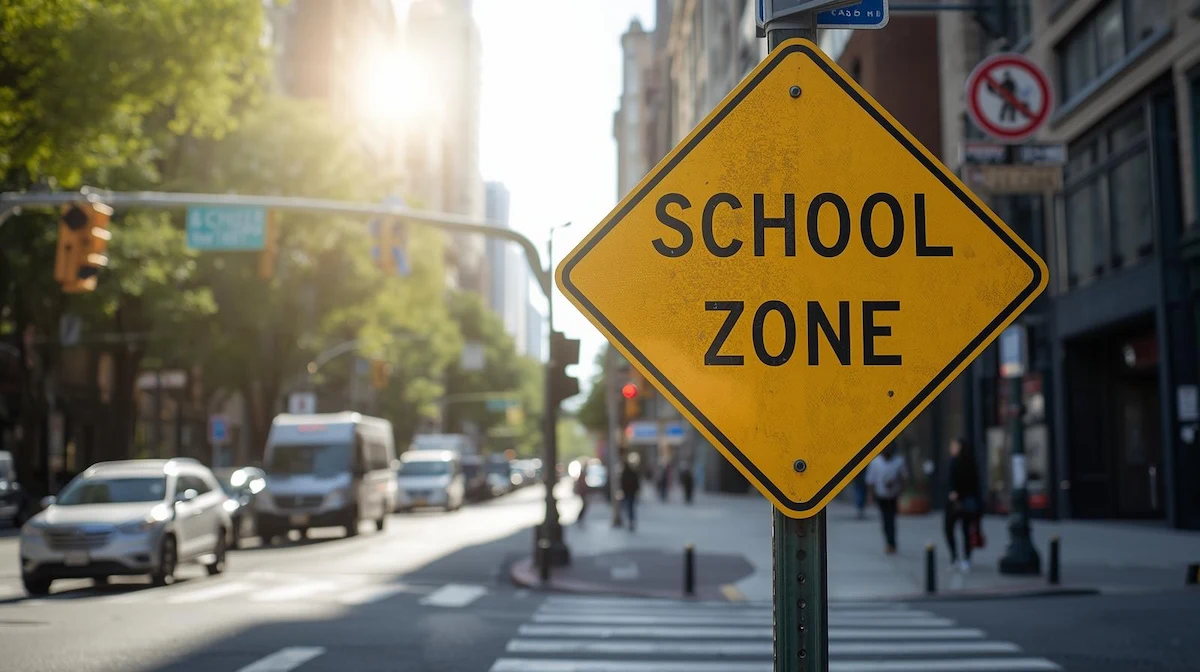
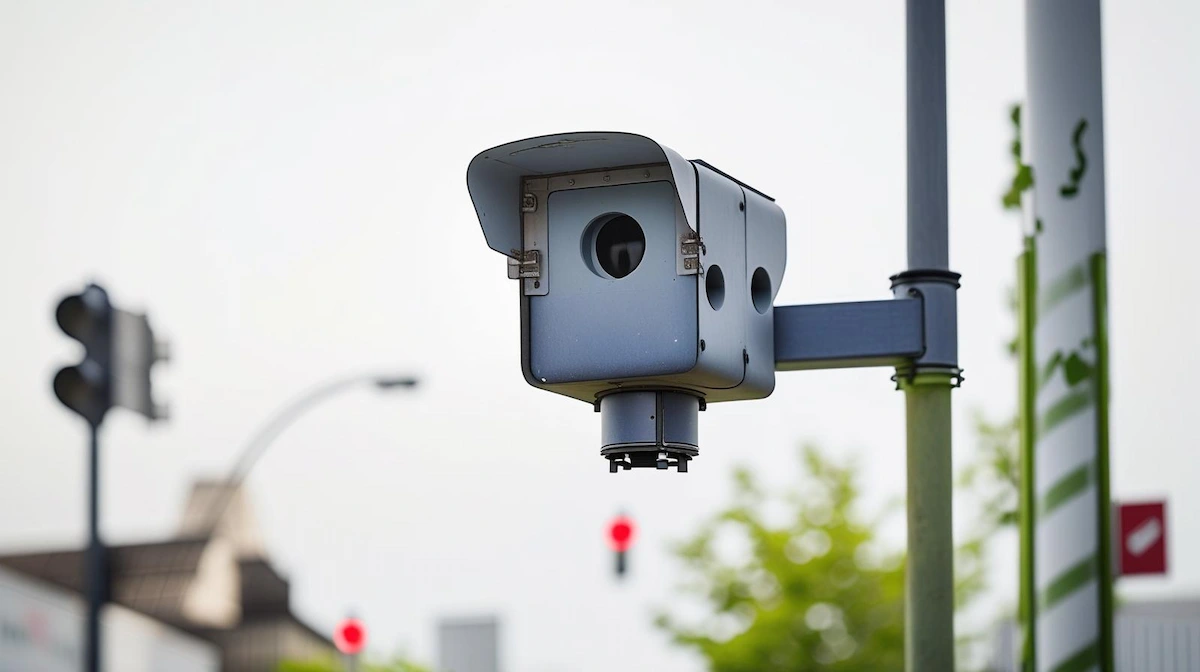
NY VTL §§ 1110(d) and 1180(d) authorize automated enforcement at school zones and selected intersections. Speed cameras activate at speeds 10 mph or more over the limit in school zones, and red light cameras monitor intersections for running signals.
Penalties
Red light camera violations carry a $50 civil fine with no points, while speed camera violations generally range from $50 to $150 and do not add points.
How to Avoid Camera Violations
Observe posted speed limits and traffic signals, particularly in school zones and busy intersections. Check tickets carefully for errors, such as incorrect license plate numbers or timestamps. Evidence proving your vehicle was not present or misidentified can help contest a ticket.
4. Unsafe Lane Change
What Drivers Misunderstand
Drivers often assume quick lane changes are harmless if no other cars are immediately behind them, especially in heavy traffic.
What the Law Says
NY VTL § 1128(a) requires drivers to change lanes safely, signaling properly and leaving adequate space to avoid endangering other vehicles.
Penalties
Unsafe lane changes typically carry fines between $150 and $300, with 3 points added to the driving record.
How to Avoid Unsafe Lane Changes
Signal early, check mirrors and blind spots, and avoid abrupt lane changes. Bridges, tunnels, and major avenues like the BQE and FDR Drive are common enforcement spots. Dashcam footage showing a safe lane change can be helpful in disputes.
5. Improper Turn / Failure to Signal
What Drivers Misunderstand
Some drivers assume turns are legal if no other cars are nearby, and skip signaling in light traffic.
What the Law Says
NY VTL §§ 1160 and 1163 require drivers to turn only where allowed and to signal lane changes or turns.
Penalties
Improper turn violations carry fines around $150 and 2 points on the driving record.
How to Avoid Improper Turns
Always signal at least 100 feet before turning, check for road signs, and ensure your path is clear. Intersections with bus or bike lanes and one-way streets are common enforcement areas. Documenting signage or road conditions can help if you contest a ticket.
6. Tailgating / Following Too Closely
What Drivers Misunderstand
Drivers may think following closely is safe in traffic or to save a lane, but tailgating increases collision risk and is actively enforced.
What the Law Says
NY VTL § 1129(a) prohibits driving too closely behind another vehicle, creating a hazardous situation.
Penalties
Following too closely typically results in a $150 fine and 4 points on the driver’s record.
How to Avoid Following Too Closely
Maintain at least a three-second following distance, and increase it in poor weather. High-risk areas include highways like the BQE and major avenues in Manhattan. Dashcam footage showing adequate spacing can support a defense if you contest the ticket.
7. Disobeying a Traffic Control Device
What Drivers Misunderstand
Some drivers roll through lane arrows, stop lines, or temporary signs, assuming enforcement is lax.
What the Law Says
NY VTL § 1110 requires drivers to obey all traffic signals, signs, and pavement markings. Violating this law can result in points, fines, and added penalties if an accident occurs.
Penalties
Tickets generally carry fines of $150–$450 depending on repeat offenses, and 2 points on the license.
How to Avoid Disobeying a Traffic Control Device
Always follow posted signs, lane arrows, and temporary construction signals. Document unclear or obstructed signage with photos to support a defense if needed.
8. No Turn on Red / Restricted Turns
What Drivers Misunderstand
Many assume turning on red is always legal unless specifically posted otherwise. NYC strictly enforces these restrictions.
What the Law Says
NY VTL § 1111-A allows local authorities to prohibit right turns on red and requires drivers to obey posted restrictions, especially in high-traffic or school zones.
Penalties
Violations usually result in fines of $115–$250 and 2 points on your license.
How to Avoid No Turn on Red Violations
Always check for “No Turn on Red” signage and yield to pedestrians and cyclists. High-traffic intersections and school zones are common enforcement spots. Observing posted restrictions consistently reduces the risk of tickets and accidents.
FAQ: Common Questions About Misunderstood NYC Traffic Tickets
Q: Will these tickets affect my insurance?
A: Yes. Moving violations that add points to your driving record can increase your insurance premiums. Even civil/parking-type tickets without points may affect rates if they indicate a pattern of risky behavior, so it’s important to monitor both points and your overall record.
Q: Should I hire a traffic lawyer?
A: For serious violations such as blocking the box when charged as a moving violation, running a red light, school bus violations, tailgating, or driving with a suspended license, consulting a qualified traffic attorney is highly recommended. Lawyers can help navigate NYC traffic court procedures, identify errors in ticket issuance, and in some cases reduce fines or points.
Q: Are these tickets enforced by cameras?
A: Some violations are enforced by cameras, including red light and speed cameras in school zones. Other tickets, such as tailgating, improper turns, or failing to yield, are typically observed and issued by officers. It’s important to know which type of enforcement applies, as camera-issued tickets follow different rules and cannot be negotiated like officer-issued citations.
Q: Can fixing the issue reduce the ticket?
A: In some cases, correcting the violation promptly can help reduce fines or points. For example, repairing broken lights or addressing temporary signage violations before contesting the ticket can be considered by the court. However, moving violations or serious infractions often cannot be dismissed simply by fixing the issue.
Q: How can points be removed from my license?
A: Points can sometimes be reduced through defensive driving courses approved by the New York DMV. Successfully contesting a ticket in traffic court may also prevent points from being added to your record. Staying informed and proactive about your driving record is key to managing points and insurance impacts.
Q: What is the most common infraction in NYC?
A: Some of the most common infractions include blocking the box, failure to yield to pedestrians, disobeying traffic control devices, and camera violations for speeding or running red lights. These violations often stem from misunderstandings about NYC’s strict traffic rules and enforcement practices.
Q: How can I beat a traffic ticket in NYC?
A: Successfully contesting a ticket often involves gathering evidence, such as photos, dashcam footage, or witness statements, to show that you were not in violation. Procedural errors, like incorrect vehicle information or improperly issued tickets, may also provide grounds for dismissal. For complex cases, consulting a traffic attorney increases your chances of a favorable outcome.
Q: What evidence helps dispute a NYC ticket?
A: Evidence that can help includes photographs showing your position on the road, dashcam or video footage, eyewitness statements, or documentation proving that signs or signals were unclear. For camera-issued tickets, reviewing the images or video provided by the NYC Traffic Violations Bureau is critical to ensure accuracy.
Protect Your License, Points, and Insurance
Even minor or misunderstood traffic violations in NYC can carry big consequences. From blocking the box and failure to yield, to camera violations and unsafe lane changes, knowing the rules and understanding your options can save you money, points, and stress.
Need Help With a Traffic Ticket?
Being proactive, documenting issues, and consulting a qualified NYC traffic attorney is the best way to minimize the impact of a ticket on your license and insurance.
Contact our team for a free, no-obligation case review. We will evaluate your situation, identify potential errors, and help guide you through the traffic court process to protect your driving record.